Facts about Bone Grafting
Posted on 2/16/2026 by Mountain State Oral and Facial Surgery |
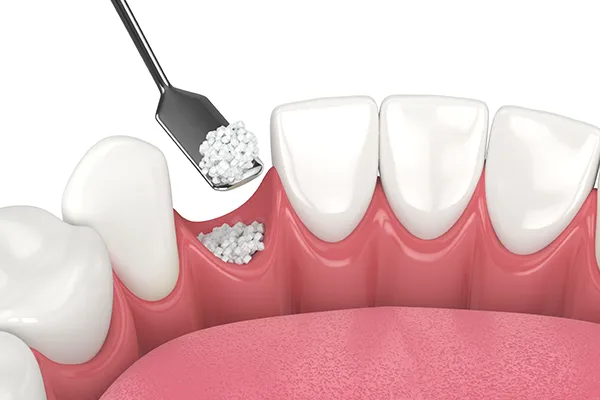 Bone grafting might sound a little scary, but it's actually a common and helpful procedure used in dentistry. Think of it like this: sometimes, the foundation of your smile, the jawbone, needs a little extra support. Bone grafting helps provide that support. Let's explore some important facts about this procedure. Bone grafting might sound a little scary, but it's actually a common and helpful procedure used in dentistry. Think of it like this: sometimes, the foundation of your smile, the jawbone, needs a little extra support. Bone grafting helps provide that support. Let's explore some important facts about this procedure.
Why is Bone Grafting Needed?
Our jawbone plays a vital role. It supports our teeth and helps maintain the shape of our face. Unfortunately, bone loss in the jaw can happen for several reasons. Tooth loss is a major culprit. When a tooth is missing, the jawbone in that area no longer gets the stimulation it needs, and it can start to shrink. Gum disease, also known as periodontal disease, can also destroy bone. Trauma to the face or jaw and certain medical conditions can also lead to bone loss.
When the jawbone isn't strong enough, it can cause problems. It can make it difficult or impossible to get dental implants, which are artificial tooth roots that provide a stable base for replacement teeth. Bone loss can also affect the stability of surrounding teeth and change the appearance of your face, sometimes leading to a sunken-in look.
What is Bone Grafting?
Bone grafting is a surgical procedure that involves adding bone or bone-like material to the jawbone. This material can come from different sources. Sometimes, it's taken from another part of your own body, like your hip or jaw. This is called an autograft. Other times, it can come from a deceased donor (allograft), animal sources (xenograft), or synthetic materials (alloplast). Each type has its own advantages and disadvantages, and the best option for you will depend on your individual needs and circumstances.
The bone graft acts as a scaffold, or framework, for new bone to grow. Over time, your body's own bone cells will migrate to the graft site and start to remodel the material, eventually replacing it with your own natural bone. This process can take several months.
What to Expect During and After the Procedure
Before a bone grafting procedure, your surgeon will thoroughly evaluate your oral health and discuss your medical history. Imaging, such as X-rays or CT scans, will be taken to assess the extent of bone loss.
The procedure itself is typically performed under local anesthesia, sometimes with sedation if needed to help you relax. The surgeon will make a small incision in the gum tissue to access the area where the bone graft will be placed. The graft material is then carefully positioned and secured. In some cases, a membrane may be placed over the graft to protect it and promote healing. The incision is then closed with sutures.
After the procedure, you can expect some swelling, bruising, and discomfort. Your surgeon will provide you with instructions on how to manage these symptoms, which may include taking pain medication, using ice packs, and eating soft foods. It's important to follow these instructions carefully to ensure proper healing. You'll also need to maintain excellent oral hygiene to prevent infection. Regular follow-up appointments will be scheduled to monitor your progress.
The Benefits of Bone Grafting
Bone grafting can significantly improve the success of dental implant placement. It provides a solid foundation for the implants, ensuring they are stable and long-lasting. It can also help to restore the natural contours of your face and improve your overall appearance. Furthermore, by strengthening the jawbone, bone grafting can help to protect and support your remaining teeth. It is a valuable procedure for restoring both the function and aesthetics of your smile.
|
|