What Does IV Sedation Feel Like During Oral Surgery?
Posted on 4/27/2026 by Mountain State Oral and Facial Surgery |
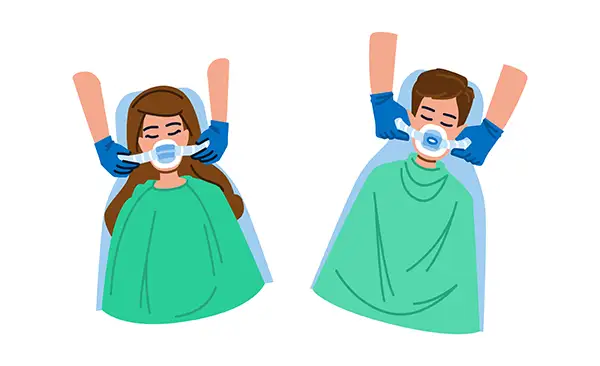 One of the most common questions patients ask before oral surgery is what IV sedation actually feels like, and whether they’ll be aware of what’s happening during the procedure. It’s a completely reasonable concern. If you’ve never had IV sedation before, the unknown can feel more stressful than the procedure itself. One of the most common questions patients ask before oral surgery is what IV sedation actually feels like, and whether they’ll be aware of what’s happening during the procedure. It’s a completely reasonable concern. If you’ve never had IV sedation before, the unknown can feel more stressful than the procedure itself.
The short answer: most patients describe IV sedation as deeply relaxing, and many don’t remember the procedure at all. At Mountain State Oral and Facial Surgery, our board-certified oral surgeons provide IV sedation daily across our West Virginia, Kentucky, and Virginia offices. We’ve helped thousands of patients get through their procedures comfortably. Here’s a closer look at what the experience is really like.
On This Page
How IV Sedation Works
IV sedation delivers medication directly into your bloodstream through a small catheter placed in your hand or arm. Because the medication enters your bloodstream immediately, your oral surgeon can adjust the level of sedation in real time throughout the procedure. This is one of the key advantages over oral sedation, which takes longer to take effect and can’t be fine-tuned once you’ve swallowed the pill.
The medications used typically include a benzodiazepine (such as midazolam) combined with other agents depending on the procedure and your medical history. These drugs produce a state of deep relaxation and drowsiness while keeping you breathing on your own. You’re not under general anesthesia; you’re in a controlled state of reduced awareness often called “twilight sedation.”
Your vital signs, including heart rate, blood pressure, and oxygen levels, are monitored continuously from the moment the IV is placed until you’re fully recovered. Our team at Mountain State Oral and Facial Surgery is trained in advanced anesthesia techniques, so you’re in experienced hands throughout.
What You’ll Actually Feel
Once the IV is started, most patients feel a warm, relaxed sensation within seconds. Some describe it as a wave of calm washing over them. Your eyelids get heavy, your muscles relax, and the anxiety you walked in with tends to fade quickly.
You may be vaguely aware of sounds or movement around you, but it won’t bother you. Many patients report that they felt like they could have responded if they really needed to, but they simply didn’t care enough to try. Time perception changes dramatically; a procedure that takes 45 minutes may feel like it lasted five.
The IV placement itself involves a brief pinch, similar to a blood draw. If you’re especially anxious about needles, let your care team know. Numbing spray or a small amount of local anesthetic can be applied to the IV site beforehand.
What Patients Typically Remember
One of the most appreciated effects of IV sedation is its amnesic quality. The medications used don’t just relax you; they suppress the formation of new memories during the procedure. Most patients remember the IV being placed, feeling relaxed, and then waking up in the recovery area with the procedure already finished.
Some patients remember fragments: a voice, a sensation of pressure, or a brief moment of awareness. These memories are usually vague and not distressing. A smaller number of patients remember nothing at all between the IV starting and waking up afterward.
It’s worth noting that IV sedation is different from general anesthesia. With general anesthesia, you’re completely unconscious and require a breathing tube. With IV sedation, you maintain your own breathing and protective reflexes. It’s a lighter level of sedation, but the amnesia effect makes it feel similar to being fully asleep for most people.
Is IV Sedation Safe?
IV sedation has an excellent safety profile when administered by trained professionals. Oral and maxillofacial surgeons complete years of hospital-based residency training that includes extensive anesthesia education, often more than any other dental specialty. Our surgeons are qualified to administer all levels of sedation and anesthesia in an office setting.
Before your procedure, you’ll complete a thorough medical history review. Your surgeon will ask about medications, allergies, prior experiences with anesthesia, and any health conditions that could affect sedation. This is one reason your first visit includes a detailed consultation. The goal is to tailor the sedation plan specifically to you.
Side effects are typically mild: grogginess, slight nausea, or a foggy feeling for a few hours after the procedure. Serious complications are rare. You will need a responsible adult to drive you home and stay with you for the rest of the day, as the medications take several hours to fully clear your system.
Preparing for Your Procedure
Knowing what to expect takes a lot of the uncertainty out of the experience. Our sedation options page has more detail on the types of sedation available at Mountain State Oral and Facial Surgery, and our team will walk you through everything during your consultation. If IV sedation sounds right for you, request an appointment at one of our locations across West Virginia, Kentucky, or Virginia to get started.
Frequently Asked Questions
Will I be completely asleep during IV sedation?
Not technically. IV sedation produces deep relaxation and drowsiness, but you maintain your own breathing and reflexes. However, most patients feel like they were asleep because they don’t remember the procedure afterward.
How long does it take to recover from IV sedation?
Most patients feel alert enough to leave the office within 30 to 60 minutes after the procedure. Full recovery from the sedative effects typically takes the rest of the day. Plan to rest at home and avoid driving or making important decisions for 24 hours.
Can I eat or drink before IV sedation?
You’ll typically be asked to avoid food and drinks for six to eight hours before your appointment. Your surgeon’s office will provide specific fasting instructions when you schedule your procedure. Following these guidelines is important for your safety.
What if I’m afraid of needles?
Let your care team know ahead of time. A topical numbing agent can be applied to the IV site so you feel little to no discomfort during placement. The IV catheter used is very small, and the brief pinch is over in seconds.
Is IV sedation available at all Mountain State OFS locations?
Yes. IV sedation is available at all nine of our offices. Visit our locations page to find the office nearest you and schedule a consultation.
|
|